

‘The Odyssey’ Lessons That Humble Nolan’s Greatest New Hero
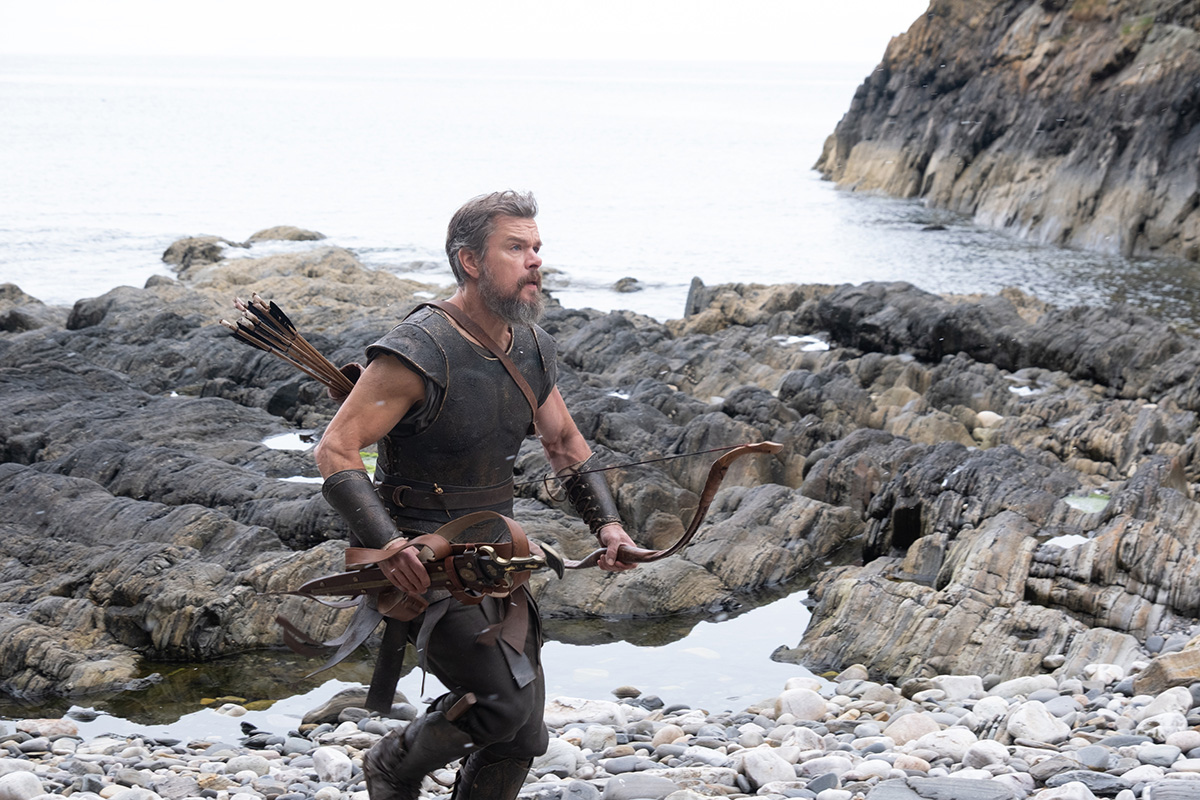
Strip away the sea monsters, the bronze, and the history-making IMAX cameras, and the most surprising thing about Christopher Nolan’s The Odyssey is how much it wants to teach you. The Odyssey lessons hiding inside this three-hour epic are not the dusty moral-of-the-story kind. They are sharp, modern, and a little uncomfortable, because Odysseus does not sail home a conquering hero. He sails home a man who has to be broken down, humbled, and rebuilt before he is allowed back through his own front door.
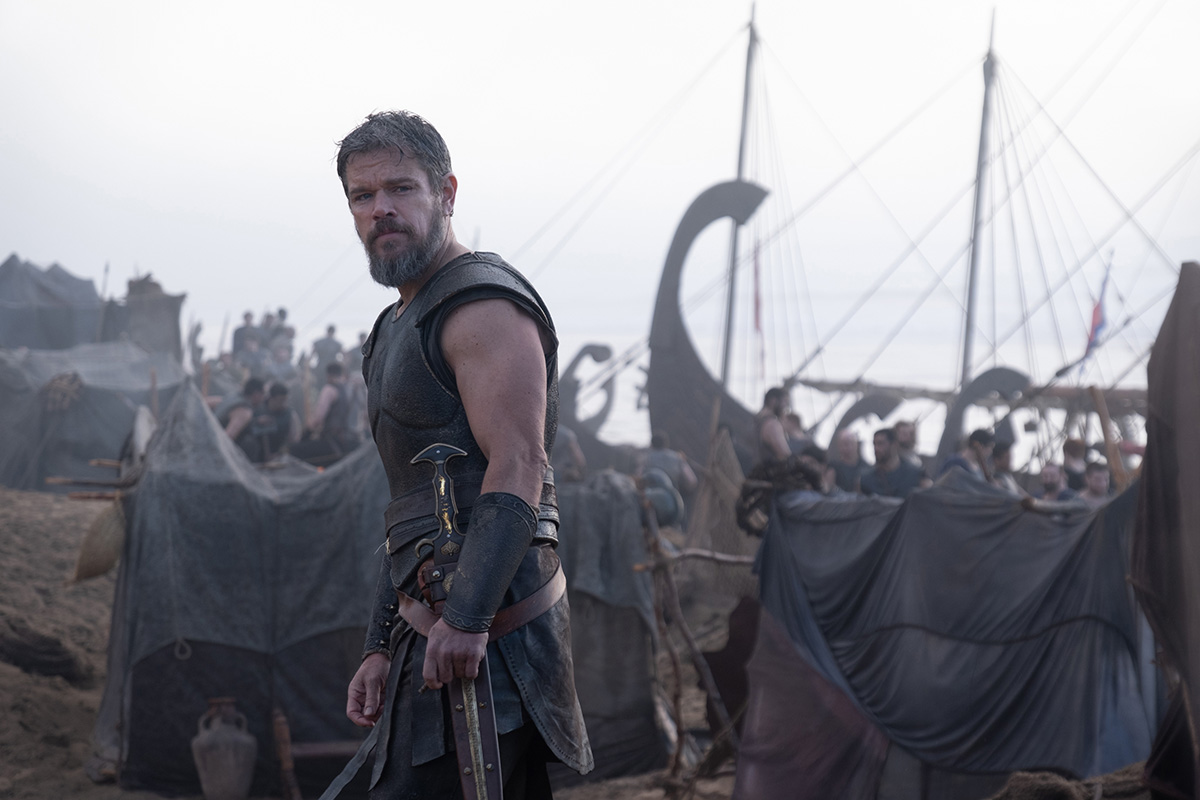
⚠️ SPOILER WARNING: This piece walks through the full arc and ending of The Odyssey. If you have not yet seen it on the biggest screen you can find, bookmark this and come back.
That is the quiet genius of Nolan’s take. We spent our full ending breakdown mapping the film’s twists and hidden meaning; here we want to zero in on the human part — the actual lessons Odysseus learns on that long road, and why they land so hard in 2026. Matt Damon plays him not as a swaggering action figure but as a man slowly running out of pride — something even the film’s official trailer quietly signals — and that arc is where the real story lives.
Pride Is the Monster That Follows You Home
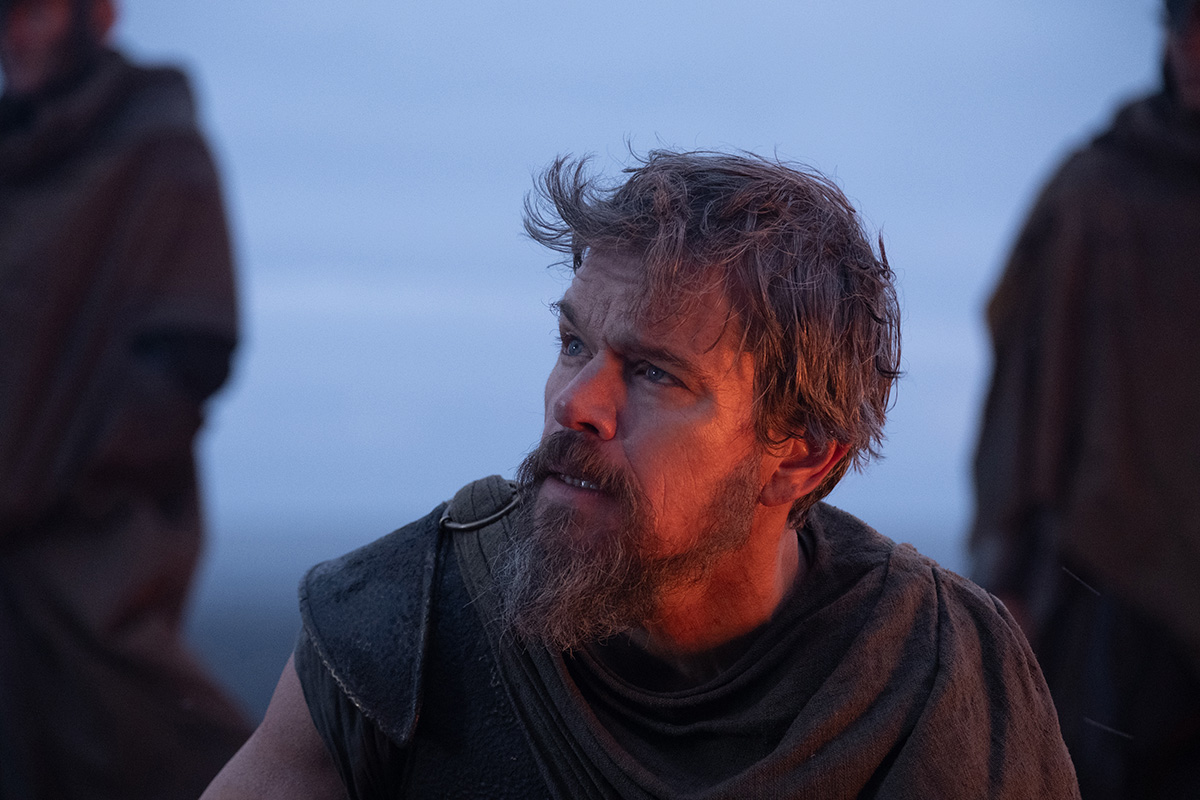
The first and biggest lesson arrives dressed as a one-eyed giant. When Odysseus blinds the Cyclops Polyphemus to escape his cave, he cannot resist a final flourish — he shouts his own name across the water, trading anonymity for glory. That single burst of ego is what turns the sea itself against him, and it is why the journey home stretches from a quick sail into a decade of suffering.
Nolan treats this as the film’s founding wound. Damon’s Odysseus is by turns arrogant, brilliant, and pig-headed almost literally, and the film never lets him off the hook for it. The lesson is brutally simple and painfully current: pride does not stay in the room where you earned it. It follows you home and collects interest.
A Victory Won Dishonorably Will Haunt You
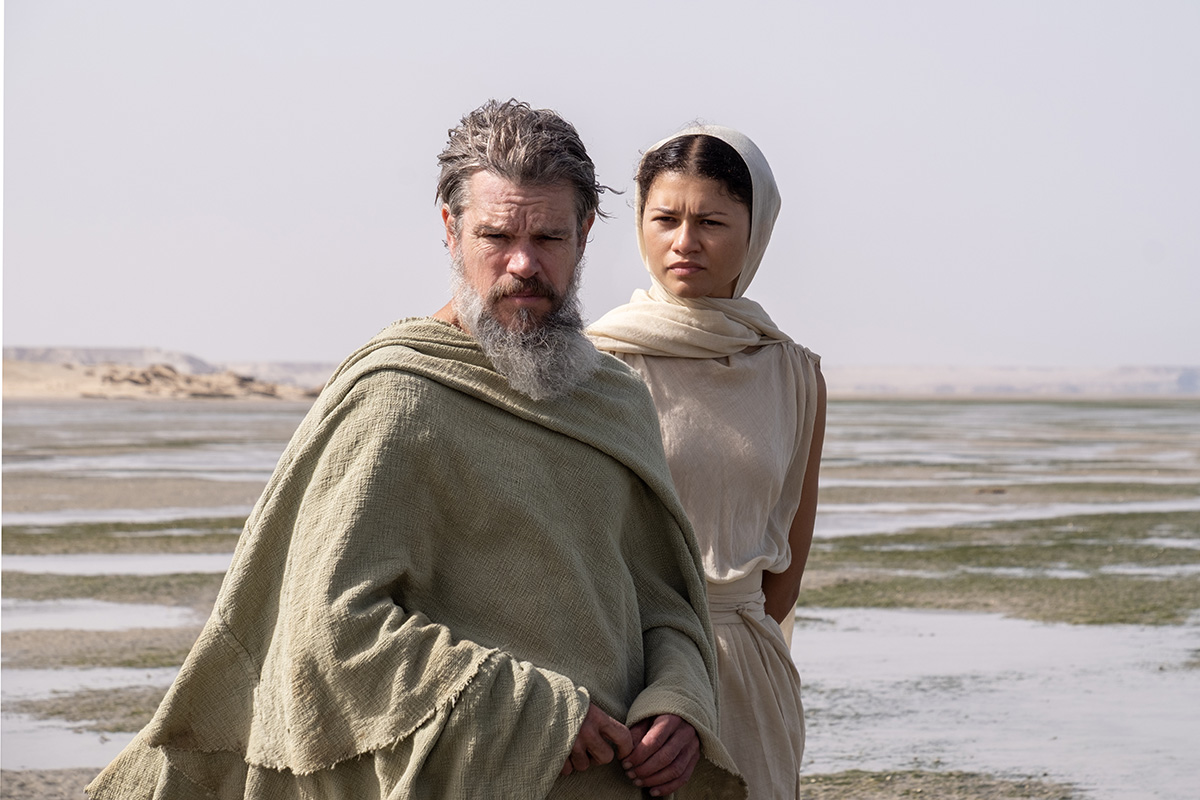
Here is where Nolan’s version gets genuinely modern. The Trojan Horse — Odysseus’s masterpiece, the trick that ended a ten-year war — is reframed not as a triumph but as the original sin the whole film is atoning for. Nolan even leans into the lying Greek Sinon, the man who sold the horse to Troy as a gift, to underline how the win was built on deception and slaughter.
The takeaway lands like a stone: a victory won dishonorably does not feel like a victory for long. The film even floats a genuinely haunting suggestion — that Odysseus may be delaying his own homecoming on purpose, because a part of him believes his sins in the war have made him unworthy of happiness. That is not a Bronze Age idea. That is every high achiever who ever wondered whether they cut a corner to get here.
The Odyssey Lessons Hidden in Every Temptation
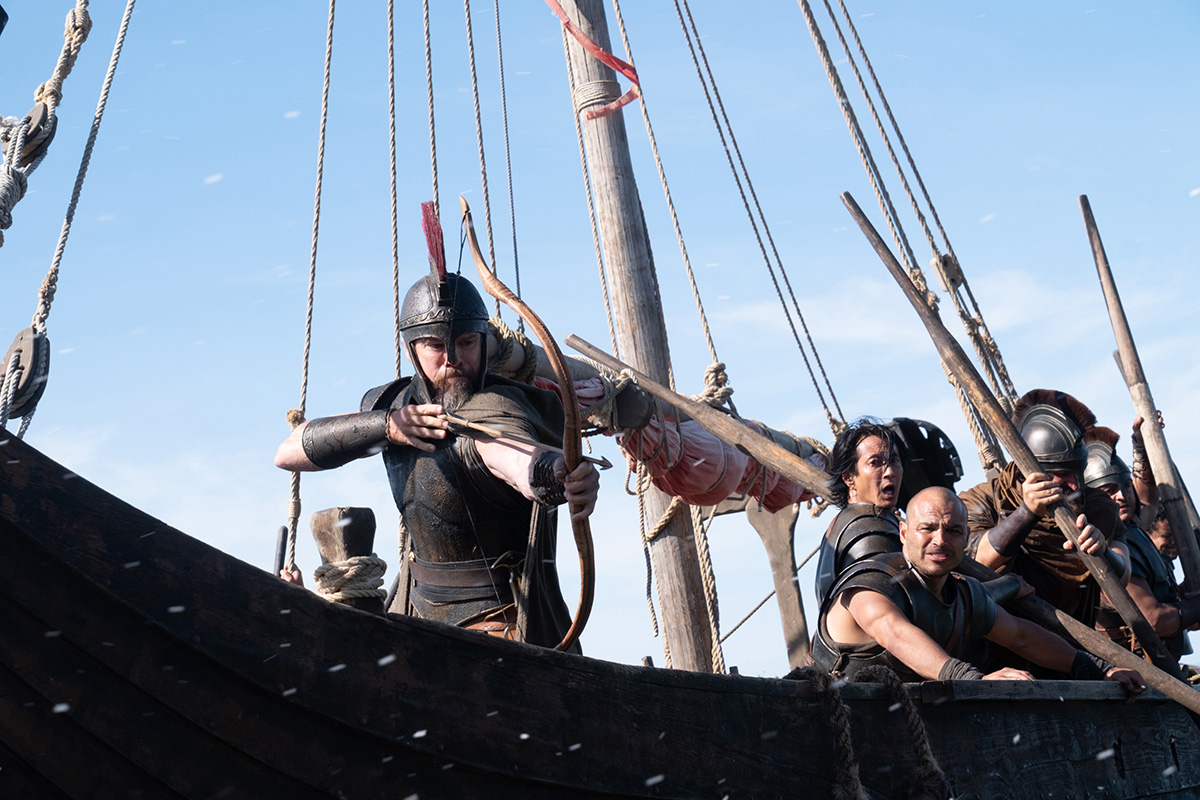
Between Troy and Ithaca, Odysseus is offered an escape hatch at nearly every stop, and the film treats each one as a test of character. The lotus dulls his pain and nearly dissolves his will to leave. Calypso offers him a beautiful, painless forgetting. Circe offers comfort, appetite, ease. Each is a chance to simply stop — to trade the hard road home for a soft place to disappear.
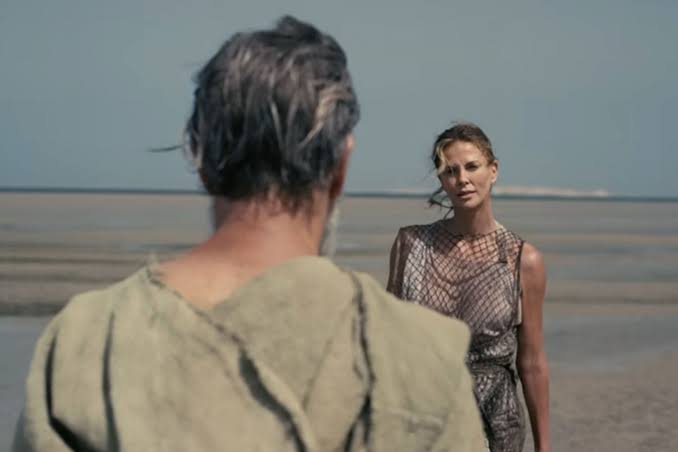
The lesson threaded through all of them is quietly devastating: numbing the pain is the same thing as abandoning the people waiting for you. Odysseus only frees himself when he chooses responsibility over escape, fidelity over forgetting. In a culture that has turned “checking out” into a lifestyle, watching a hero fight his way back toward his obligations instead of away from them feels almost radical.
Real Strength Looks Like Restraint
For a man introduced as the greatest warrior alive, the most heroic thing Odysseus does in the entire film is nothing — for a very long time. When he finally reaches Ithaca, he does not kick down the doors. He walks in disguised as a beggar, endures insults in his own home, watches suitors abuse his hospitality, and holds his fury behind his teeth until the exact right moment.
That restraint is the whole ballgame. His transformation from hubristic warrior into a wiser, quieter man plays out most powerfully in these patient, gritted-teeth scenes. The lesson is one every ambitious person eventually collides with: knowing you could win a fight is not the same as knowing when to. Power that cannot wait is not power. It is just noise.
Coming Home as Nobody Is the Real Victory
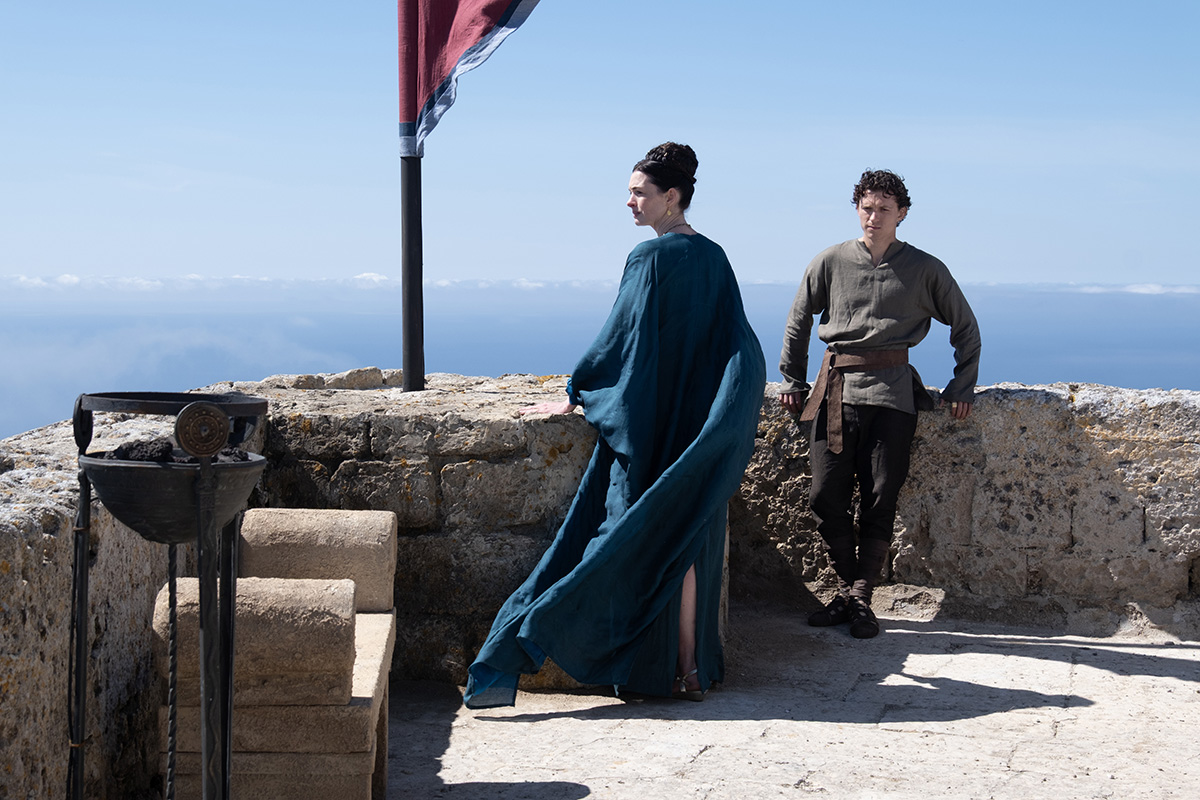
The film’s final and richest lesson is baked into its ending. Odysseus wins his house back, reclaims his wife, and reunites with his son — and then, in Nolan’s telling, the man who once screamed his own name across the sea has to learn to become nobody at all. The warrior who won Troy by force wins his own home back through cunning, patience, and humility instead. The arrogance that started the journey has been sanded all the way down.
That is the quiet triumph the whole epic has been building toward: getting home matters more than being celebrated. The hero has to stop needing to be a hero. It is a strikingly gentle idea to find at the center of the loudest film of the year, and it is why The Odyssey lingers long after the bronze stops clanging.
The Verdict on The Odyssey Lessons
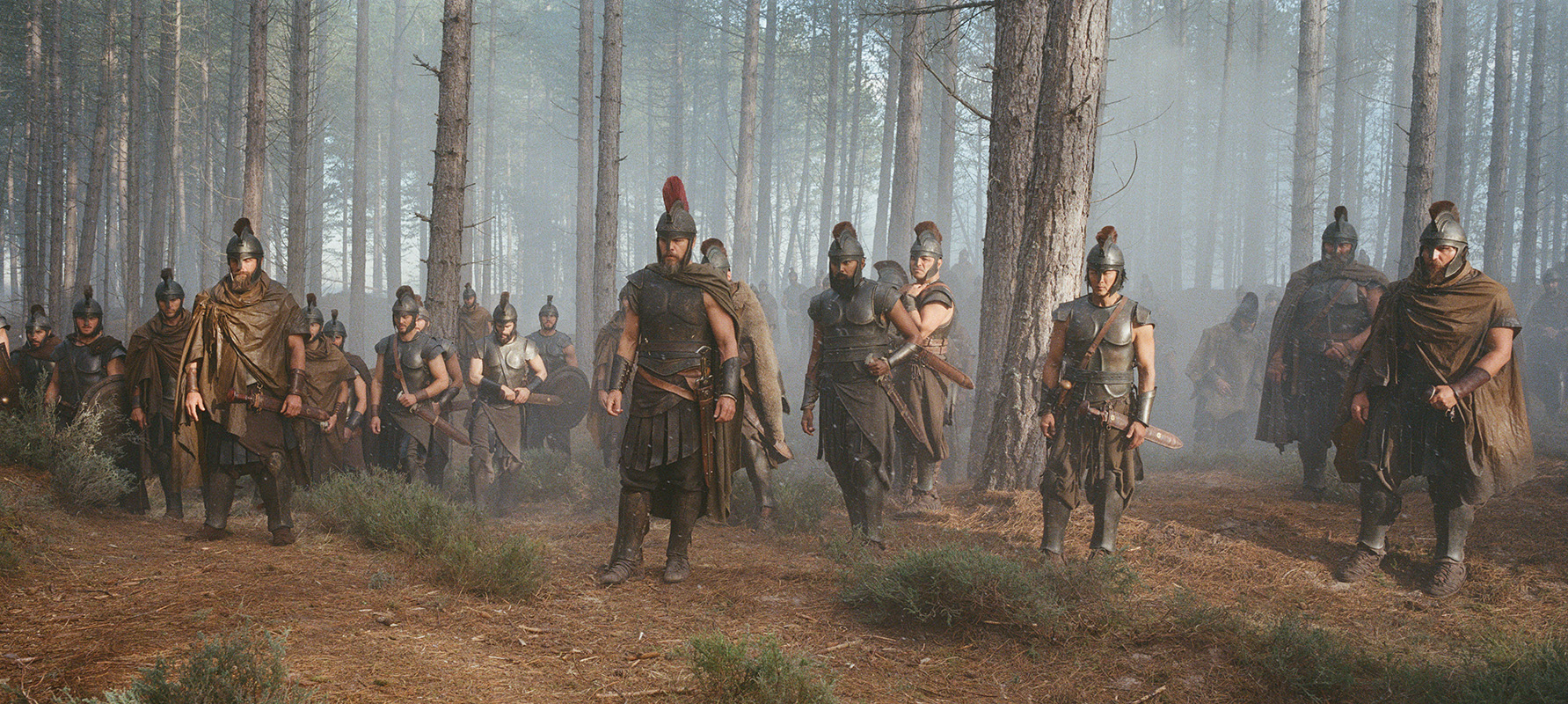
Nolan could have made a straightforward adventure and let Damon swing a sword for three hours. Instead he made a film about the slow, unglamorous work of humility — about a brilliant man learning that cleverness landed him in the mess and only character will get him out. The monsters are memorable. The IMAX is jaw-dropping. But the reason this one sticks is that underneath the spectacle, it is quietly handing you a to-do list for being a better person.
See it big, feel it deeply, and maybe leave the theater a little humbler than you walked in — and if it is still playing in IMAX near you, that is the way to go. That, in the end, is the most Odyssean way to watch it.

Award-Winning Publisher